As a child, once I moved past wanting to be a fireman or a magician, I knew one thing for certain: I wanted to be great at something.
At different points, that meant football player. Politician. Musician.
The arena kept changing. The desire didn’t.
I used to think that desire made me special. Then I had kids.
Listen to a group of children talk about themselves for five minutes and you’ll quickly realize that they are the best at just about everything!
Maybe that impulse is ancient. Once, being great at something meant survival. If you weren’t a good hunter or gatherer, you didn’t eat. Today we don’t hunt for food, but we still hunt for mastery. We still need to develop skill, maybe not to survive physically, but at the very least to contribute meaningfully.
Recently I was reminded of James Clear’s description of the “Aggregation of Marginal Gains,” popularized by Sir Dave Brailsford and Team Sky Cycling. The goal never changed — win the Tour de France. Win Olympic gold. What changed was the system. The process. The accumulation of small, disciplined improvements.
People often ask me, “How did you do it? How did you make it to the Olympics?”
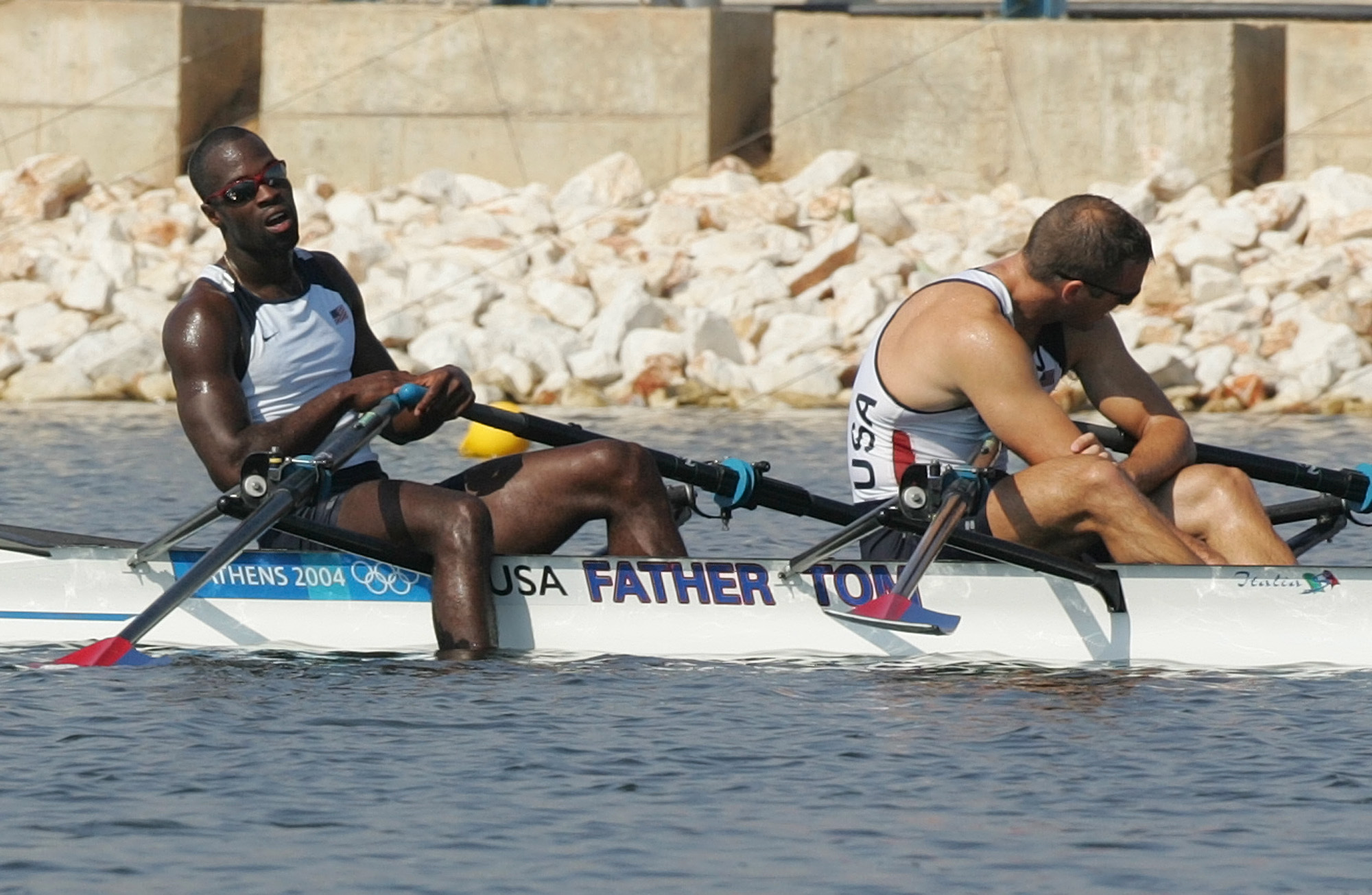
In 2000, I lost the Olympic Trials by .33 of a second.
In 2004, I won.
The goal didn’t change.
What changed was everything underneath it.
I stopped searching for the one breakthrough that would make me faster and started committing to the small things that would compound over time.
Yoga.
Breathwork.
Meditation.
Building a deeper aerobic base.
Nutrition.
Sleep.
Strength training.
Individually, none of these made me an Olympic-caliber rower. Together, they did.
The destination remained fixed.
The path became more intentional.
If you have a big goal and you’re wondering how you’ll ever reach it, don’t obsess over the finish line. Start with the small things you can control today. Do them consistently.
You may not see the change overnight.
But small efforts, repeated daily, reshape outcomes.
The goal may stay the same.
The way you move toward it can change everything.